
Flare-Day Snack Box: What I Keep on Hand When I Can’t Cook
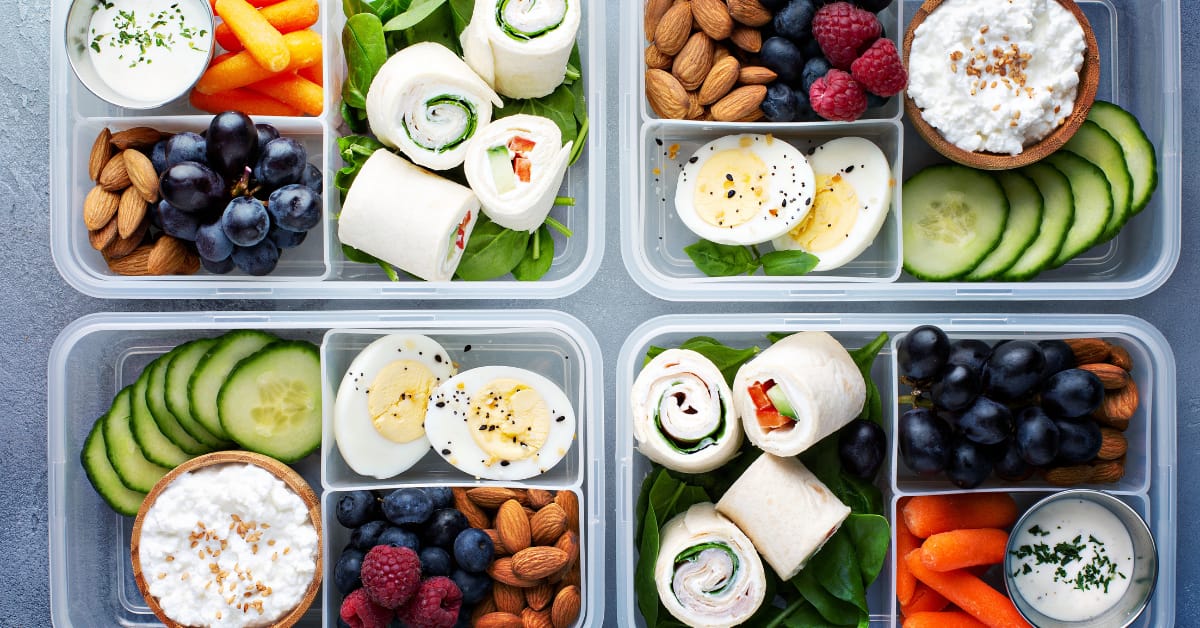
When your body is having a rough day and even opening a jar feels impossible, the last thing you need is to worry about whether there’s anything safe and nourishing within reach. Having a well-stocked collection of go-to foods can be the difference between managing a flare with some dignity and feeling completely defeated by basic needs.
Why this matters beyond just convenience
Poor nutrition during flares can extend recovery time and worsen symptoms, but the real issue goes deeper. When you’re already dealing with unpredictable health, not being able to feed yourself properly adds another layer of frustration and loss of control. Plus, if you’re tracking symptoms or working with healthcare providers on nutrition-related concerns, having consistent access to foods that work for your body becomes part of your health management strategy. A thoughtful flare-day food stash isn’t just about convenience; it’s about maintaining some autonomy when everything else feels chaotic.
Practical strategies you can use today
-
Create a “no-prep protein” stash: Stock shelf-stable options that require zero cooking and minimal handling. Think individual nut butter packets, protein powders that mix with just water, hard-boiled eggs from the grocery store, or those pre-made protein shakes.
Try this approach: “I keep a small basket on my counter with packets of almond butter, individual applesauce cups, and crackers. Everything I need is in one place and nothing needs to be heated.”
-
Build a “gentle foods” collection: Identify foods that are easy on your system when you’re flaring and keep them consistently available. This might include bone broth in cartons, plain rice cakes, bananas, or whatever your body tolerates best during tough periods.
Try this approach: “I always have a few containers of plain Greek yogurt and some honey packets. It’s protein, probiotics, and gentle enough that I can usually keep it down even on bad days.”
-
Organize by energy level required: Group your emergency foods by how much effort they take to prepare. Have some options that require absolutely nothing (granola bars, fruit pouches) and others that need just one simple step (instant oatmeal, canned soup).
Try this approach: “I have three levels: grab-and-eat (trail mix, cheese sticks), add-hot-water (instant miso soup, oatmeal packets), and one-pot-maximum (canned soup, pasta with jarred sauce).”
-
Plan for hydration and electrolytes: Flares often mess with your ability to stay properly hydrated. Keep easy options like electrolyte powder packets, coconut water, or herbal tea bags that you can make with minimal effort.
Try this approach: “I keep a water bottle with a straw by my bed and single-serve electrolyte packets in the drawer. When I’m too wiped out to think about it, the setup is already there.”
Make it stick this week
- Pick one area of your kitchen to designate as your “flare-day zone” and stock it with three no-prep options.
- Write down which foods have worked best for you during past flares and add those to your grocery list.
- Set up a simple hydration station near where you rest most often during difficult days.
Disclaimer: This article provides general information about meal planning strategies. It is not medical or nutritional advice. Consult a qualified professional for guidance on your specific dietary needs and health situation.